The Odyssey (2026) - Review
9.75/10
- pencil19 Jul 2026
- clock5 min read
directorScreenplay by: Christopher Nolan
A triumph in cinematic expression and the finest there is in blockbuster epic storytelling
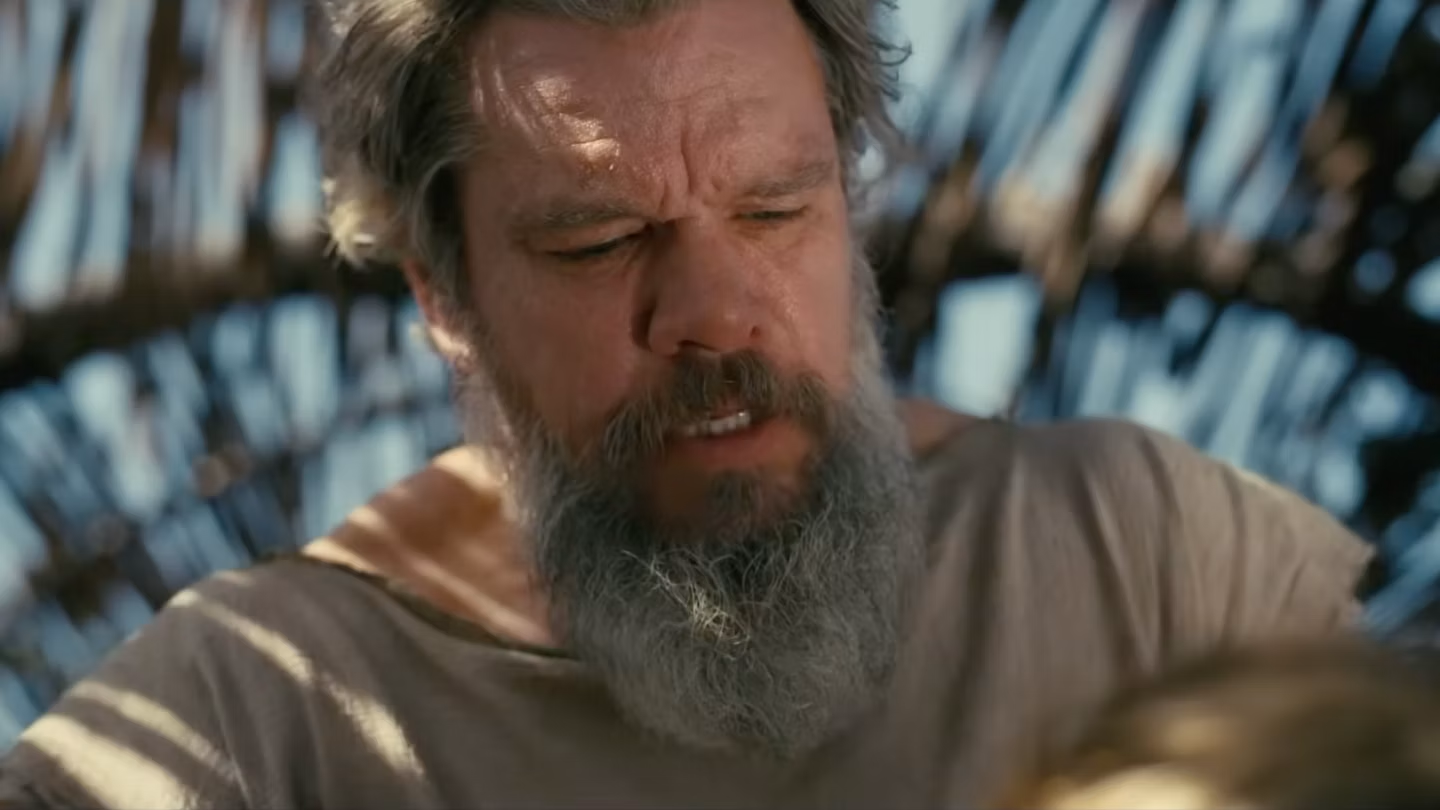
“A face! A fleet! A war! A man! A thought! A trick!” The film opens with a riveting recital by a bard played by rapper Travis Scott of a poem evoking the Trojan War, intercutting it with shots of his audience in Ithaca’s palace, and shots of the beach of Troy, Odysseus (Matt Damon), and the infamous Trojan Horse. “A trick to break the walls of Troy and burn it, screaming to the ground!” The bard cries.
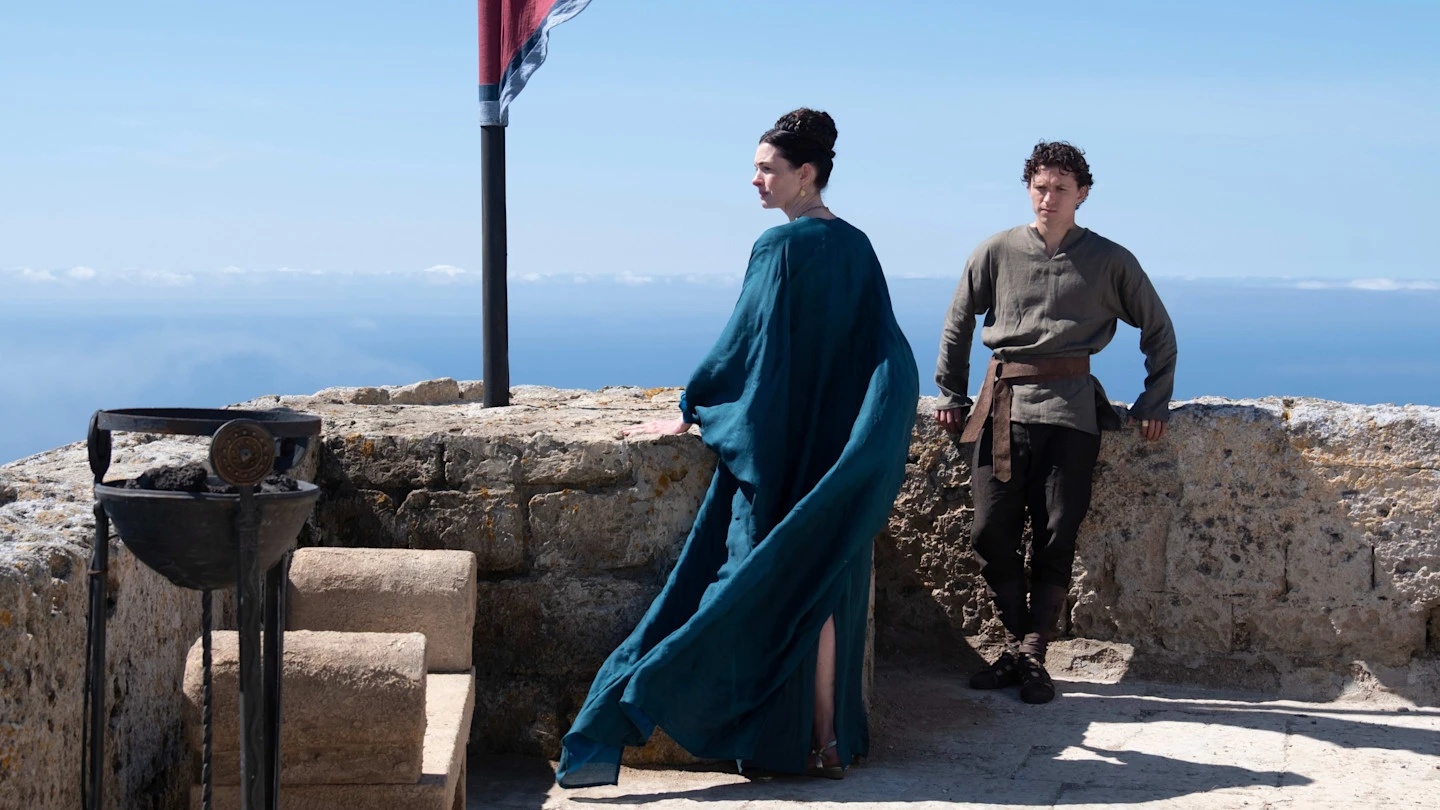
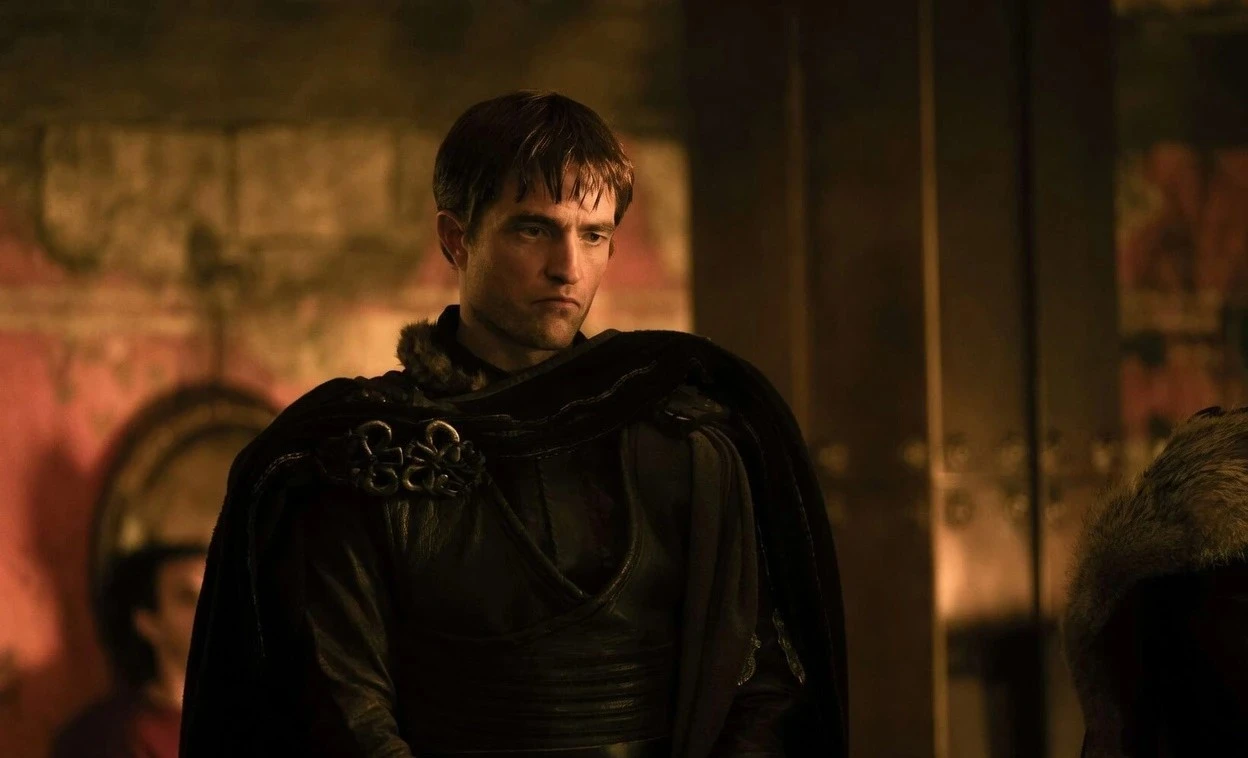
Almost two decades have passed since the sack of Troy, and Odysseus is absent from his kingdom Ithaca, leaving behind his wife Penelope (Anne Hathaway) and son, Telemachus (Tom Holland), who recently comes of age. Suitors, including Antinous (Robert Pattinson), aggressively court Penelope to claim Odysseus’ throne, while Penelope refuses to accept that Odysseus may have perished at sea on his way home, much to Telemachus’ dismay, as he is eager to be king.
Meanwhile, on the island of Ogygia, Odysseus suffers from memory loss after seemingly being shipwrecked there and is under the care of Calypso (Charlize Theron). Constantly haunted by fragments of his memory and visits from the goddess Athena (Zendaya), Odysseus slowly recalls his journey home from Troy after the Trojan War, during which he and his crew encounter mythical beasts, trials, and tribulations.
The Odyssey is my most anticipated film since Barbenheimer in 2023. Oppenheimer has been my favourite Christopher Nolan film since its release, and I have considered it to be the pinnacle of Nolan’s style of direction and his trademark non-linear storytelling. My expectations had never been higher for his next project. The Odyssey by Homer is often considered the foundation of all stories in Western literature, encompassing various genres, stories, and themes as old as time, while being quintessentially non-linear in its storytelling, all of which make it perfect material for a screen adaptation by Nolan, albeit a challenging one. In my opinion, Nolan has achieved the unachievable.
The film is a triumph in cinematic expression and represents the finest there is in blockbuster epic storytelling. Wrestling with an impossible number of sequences, each with its own heft, tone, and scale, Nolan manages to construct a coherent dramatic narrative that guides the audience through each event in the journey, tying it all up in one bold stroke as the film reaches its third act. This is always one of the most challenging tasks in chronicle storytelling – to make the events feel less like a bucket list and more like part of a coherent whole that serves a greater theme and narrative.
Various classic films featuring Greek mythological chronicles, such as Kirk Douglas’ Ulysses (1954) (an adaptation of the very same poem), Jason and the Argonauts (1963), and Clash of the Titans (1981), have struggled on this front. What they offer, on the other hand, is amazing practical effects work by the great Mario Bava, Ray Harryhausen, and others. Their influence can still be found in Nolan’s adaptation more than half a century later, with massive practical set pieces harkening back to those great works of effects artistry and inducing awe and terror in the most tactile way possible.
While Nolan takes some artistic liberties with the source material, I love many choices he made in his adaptation. The Odyssey was originally passed down orally through generations before it was committed to text, which was then translated many times throughout the centuries, each translation bringing new interpretations depending on the time and context. Nolan’s latest addition to the canon sees the stories presented in a more grounded and “earthy” manner, as Nolan would put it, despite the abundance of mythical elements portrayed in the film.
From the darker aesthetics found in many of his films, particularly his Dark Knight Trilogy, to the use of modern-day vernacular, Nolan does away with some of the conventions often found in modern Hollywood’s approach to historical fantasies, such as British accents, bright and vibrant colour palettes, and the traditional Western orchestral score. Instead, he approaches this as a modern-day blockbuster that happens to feature creatures, magic, and witchcraft. The score features ancient Greek instruments that composer Ludwig Goransson and his team had to recreate through painstaking analysis of ancient paintings and texts. Yet, they blend in elements of contemporary R&B and electronic sounds, creating a rich and textured soundscape. As unconventional as all these choices may seem, they work perfectly with each other and with the story.
The gods, who are a huge part of the story, are cleverly abstracted into environmental and metaphorical elements that Odysseus and his crew encounter throughout the journey. Instead of seeing Poseidon, for instance, we feel his actions and intentions behind the calmness or rockiness of the sea whenever Odysseus and his crew do something that would trigger a reaction. Athena seems to be the only exception, appearing to Odysseus from time to time, though seemingly visible only to him. However, much can be pondered regarding her character and whether she is actually there or merely a fragment of his imagination, depending on one’s interpretation of certain pivotal scenes in the film.
As the film reached its third act, I was completely transported and moved by it in ways that I did not anticipate. I found myself tearing up as the themes unfolded. My perspective on the events that came before shifted, and it was almost as if I could see the narrative machinery on display as connections between events became clear, yet none of it felt mechanical. Instead, I felt a wave of mixed bittersweet emotions and found myself drifting, carried away by the haunting images and the rousing score by Goransson (if you know the scene, you know).
The best part of the adaptation, in my opinion, however, is its reason for existence. Why, in particular at this moment, did Nolan choose to adapt The Odyssey? I believe it is not just for updated visuals, nor is it merely a technical exercise to take on one of the most challenging stories there is to put to screen. There is something that I believe Nolan wishes to convey in his version of this very familiar story that he thinks is worth contemplating.
Much like Oppenheimer, whose ending serves as a cautionary tale about humanity’s aspirations and their inevitably destructive ripple effects, Nolan’s Odyssey, in a similarly haunting way, reflects on themes of trust and respect, or the lack thereof, between people. Highlighting how a single decision opened the floodgates of betrayal, allowing people to become hostile and destructive toward one another, the film strikes a very contemporary note despite its setting. It urges us to reflect upon ourselves and to examine the cyclical nature of betrayal, rage, and ultimately the grief they spread. This is why I think Nolan’s retelling of The Odyssey is worthwhile and monumental – so that “when a new dawn breaks over the darkness of our world”, our mistakes will not be forgotten again.
| Story/Screenplay | 2.0 / 2.0 |
| Performance | 1.75 / 2.0 |
| Editing | 1.0 / 1.0 |
| Direction | 1.0 / 1.0 |
| Sound design/Music | 1.0 / 1.0 |
| Cinematography/Visuals | 1.0 / 1.0 |
| Set/Production | 1.0 / 1.0 |
| Bonus | 1.0 / 1.0 Spectacular direction, terrific cinematography, and insane sound design |
Author: Chia Jing Heng (andreusjh99)